


Late-night snacking feels harmless, but your teeth don’t like it as much as your tastebuds do. When you eat just before sleeping, food particles and sugars stay on the teeth for several hours. Saliva flow naturally drops at night, so your mouth can’t wash things away as effectively.
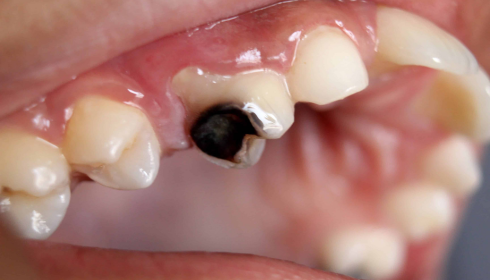
Bacteria in dental plaque love this situation. They break down leftover carbohydrates and produce acids that attack enamel. If this keeps happening night after night, tiny areas of demineralisation slowly turn into real cavities.
It’s even worse if your last snack is sticky or sugary – biscuits, sweets, chocolate, sweet tea or soft drinks. These cling to grooves and between teeth, especially if you don’t brush properly afterwards.
You don’t need to cut snacks forever, but shifting them earlier in the evening helps. Try to make your last meal or snack at least an hour or two before bed. After that, brush thoroughly with fluoride toothpaste and drink only water.
If you do eat late sometimes, choose tooth-friendlier options like plain nuts, cheese or unsweetened yoghurt, and still clean your teeth before sleeping. Small changes in night-time habits can quietly reduce your future cavity risk.